
 Lessons: 16Length: 1.4 hours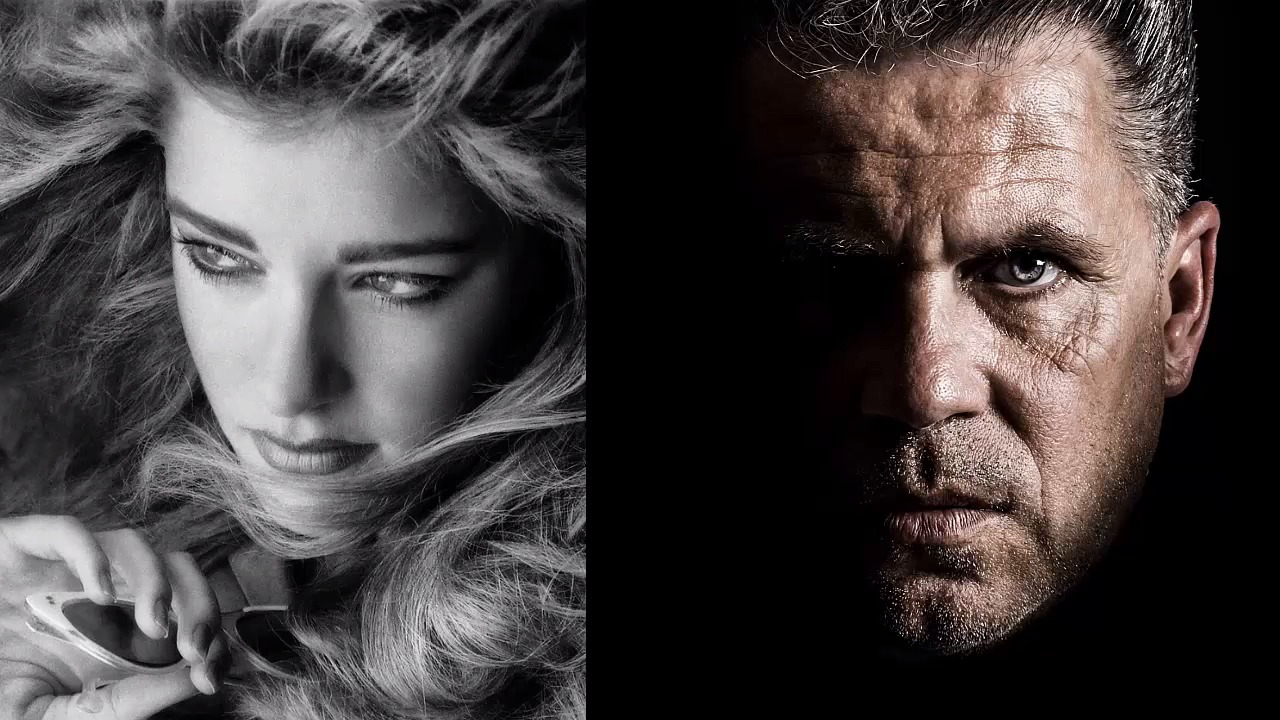
- Overview
- Transcript
2.2 Developing Strong Concepts
Before starting any conceptual painting, you’ll first need an idea. Let's take a look at using a simple diagram method to help you in developing solid painting concepts.
1.Introduction
1.1Introduction01:37
2.Set Up
2.1What You'll Need06:25
2.2Developing Strong Concepts06:29
2.3Manipulating Your References: Male Portrait06:30
2.4Manipulating Your References: Female Portrait05:59
3.Paint a Male Fantasy Portrait
3.1Male Portrait: Sketch05:49
3.2Male Portrait: Thumbnails for Light and Shadow05:56
3.3Male Portrait: Create a Base Painting05:11
3.4Male Portrait: Shading05:40
3.5Male Portrait: Final Touches05:13
4.Paint a Female Fantasy Portrait
4.1Female Portrait: Sketch05:15
4.2Female Portrait: Thumbnails for Light and Shadow05:01
4.3Female Portrait: Create a Base Painting04:12
4.4Female Portrait: Experiment With Shading05:49
4.5Female Portrait: Final Touches05:33
5.Conclusion
5.1Conclusion02:14
2.2 Developing Strong Concepts
Hello and welcome back to Fantasy Digital Portraits. My name is Melody Nieves. And I know from firsthand experience that coming up with a good idea is sometimes a huge feat in itself. In lesson 2.2 Developing Strong Concepts, I'll show you how to brainstorm effectively and a few things you should keep in mind when coming up with painting ideas. So you're probably wondering how do artists even come up with good ideas? There's really no wrong answer to this question because the method changes from person to person. Generally speaking, ideas can come from either planning them out or a moment of pure inspiration. But even if you're lucky enough to be struck with a golden idea, executing the idea still includes figuring out the compositional details, the lighting structure and, of course, the colors. To keep yourself from depending on the supernatural power of a random aha moment, the best method you can always rely on is to simply plan things out. Good design is not limited to logos. To plan out any painting, I like to use a web diagram. Let's take a look at one in action. At the center of the diagram is the core idea. Branching off from the Main Idea, you can section the concept off into several more bubbles denoting the more descriptive Details. Here you can write notes to keep in mind for each section in order to stay on track as you paint. Using a web diagram and keeping one handy is a great way to make sure your paintings always come out as you intended. So let's fill this diagram with our ideas. For this course, we're going to do what I like to call floating head portraits. These are portraits that usually involve a person's head floating in space, surrounded by details of your choice. You might recognize some artists do this by creating portraits of women with long flowing hair surrounded by flowers or even animal-like features. Now it is important to note that any points you use have a significant effect on how you or your audience interprets the painting. So choose wisely, using clear descriptive words that create distinct images in your head. For instance, writing the words red delicious apple gives you a clear idea in your head of what to expect more so than just writing the words, small red object. In this case, I want each subject to become two powerful fantasy characters, both emanating with an incredible intensity from within. So in the middle of the diagrams for both paintings, we will write the Main Idea as a male or female fantasy portrait. From there, I'll branch off with a couple of more bubbles dedicated to details like composition, lighting and color. Now there are a couple of variables that will affect the planning process. One of them being the images you choose to use as references. For the male portrait, I know that I'll be using a mashup of about four different references, but for the female portrait, I'm taking a more experimental approach. I'm inspired by her long flowy hair, so the composition will be hugely dependent on the result of my photo manipulated step. Under the composition section of the male fantasy portrait, I definitely know that I'll be painting the reference as is focusing on painting only half of the face. Because I'll also be using the smoke picture, I think I can manipulate it to cover the part of the face that's missing. So in all, the format will be a portrait painting with smoke billowing out from the bottom. If it's easier for you, just use short words to describe what you mean for each section. Smoke moving up is a good enough description to remind you of what you'd like to emulate. Let's move on to color. The colors will be simple because I'll most likely keep them similar to the ones already in the photos. However, I prefer the colors to be slightly de-saturated for a more serious tone that plays on the moodier side of things. And because I'm relying so much on the original reference, I can conclude in the lighting section that it'll have a darker lighting scheme with a majority of the light on the face as the other details remain in shadow. Now let's look at the diagram for the female fantasy portrait. Again, we'll look at the composition section first. You can always fill this out after photo manipulating your references, but for now, I do know that the format will be in portrait despite the original picture being a landscape photo. The key to this Composition will be her hair. I wanna keep things nice and flowy with her head almost overwhelmed by her long locks of hair. And even though this is a floating head portrait, I do like the idea of popping her hand back into the painting to break up the compositional flow. Under the section for colors, I'll put Warm, Intense Colors. I want there to be a nice, bright glow from the fantasy elements, like glowing eyes, but nothing too unnatural. Since I don't have plans to copy the reference entirely, the lighting scheme is still open to experimentation. However, I do know that I definitely want to concentrate the brightest light towards the face, making my subject have an inner glow like the powerful Goddess that she is. With these diagrams, we are one step closer to solidifying the idea for our Fantasy Digital Portraits. It might not seem like much, but writing down quick notes is one way of drawing out the idea slowly from your brain. You can always add more to these diagrams including additional descriptive words for the theme, style or even texture of your paintings. But since I want a little room for experimentation, these notes will do for now. But sometimes it seems like words just aren't enough. The idea is still fuzzy in your head and the only way you can feel comfortable enough to sketch it, is to see a clear representation of the idea before you. Well, as long as you've got your references handy, the answer to all your worries lies in a simple photo manipulation. By mashing up your references together, you can work out your composition in a quite literal way. To see this, let's move on to the next lesson, where I'll show you how to manipulate the pictures for our first painting, the Male Fantasy Portrait.


