
 Lessons: 10Length: 1.6 hours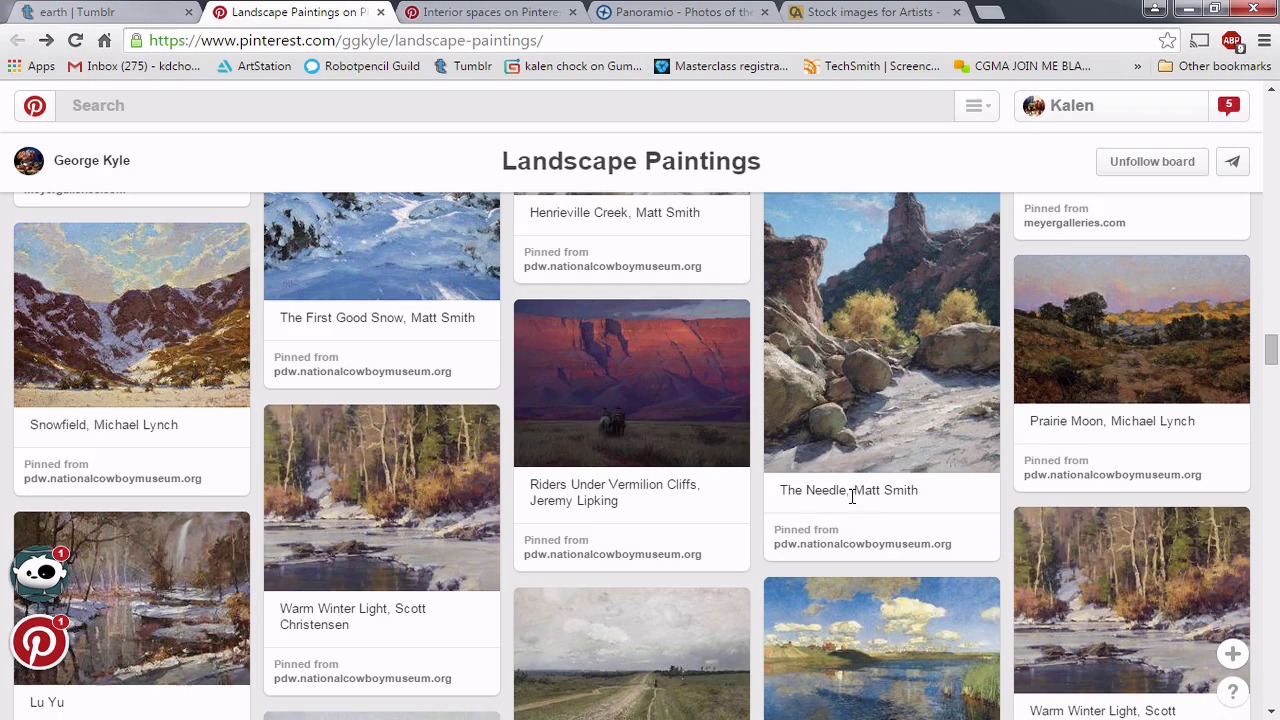
- Overview
- Transcript
1.3 Gathering References/Inspiration
Before we begin, I would like to show you how I gather references and inspiration. Generally it is a good idea to do this so that we can make sure we start sketching with our brain inspired and full of ideas.
1.Introduction
1.1Introduction01:13
1.2Benefits of Thumbnail Sketching07:49
1.3Gathering References/Inspiration06:30
1.4Exploration Sketching11:22
2.Thumbnail Sketching in Adobe Photoshop
2.1Thumbnail Number 115:00
2.2Thumbnail Number 214:56
2.3Thumbnail Number 315:01
2.4Evaluation/Finishing Touches15:12
2.5Presentation04:49
3.Conclusion
3.1Overview01:43
1.3 Gathering References/Inspiration
So before we get started what the actual exploration sketching of thumbnail drawings. We wanna probably grab some reference and inspiration. Now, why would you wanna do that? You know, sometimes you wanna just draw from your head. Well the thing about drawing from your head is that though we may know what a dog looks like or a cat or a tree or a house or car. If I were to ask you to draw it right now, straight out of your head and have it be hundred percent accurate. The likelihood is that you're probably would not going to be very, very successful. And the reason why is that though we may know what it looks like in their head, being able to communicate that on paper with drawing is a completely different thing. And just like warming up the brain, we've got to warm up the creativity as well. So that's where the inspiration come from. So we're going to talk about getting inspiration, we're going to talk about getting references for things that we don't know how to draw. And so those two things together are going to help us get some ideas so that we can start sketching a little bit. So right now, what I'm going to do is i'm actually going to show you some of the websites that I like to use personally in order to get these two things again reference and inspiration. So, inspiration will usually kind of be like your favorite artist or favorite paintings that you've seen. And that reference will usually just be photography things that people take pictures of, real life objects that will help you get an idea for design, for color, for lighting, all that kind of stuff. So let's go right into that. So I'm going to go to Chrome right here. And the first one we like to use is Tumblr. Tumblr is a really great one that you can do just because you can type in anything in here and chances are people have posted pictures about it. So right now this is like the front page and they have a nice little rover, I think because of all the stuff that's been happening on Mars. So we could probably actually click on that And there you go we have this nice image that we can maybe use for reference if you want to do some kind of sci-fi some cool sci-fi painting, right. That's pretty interesting. You can type in anything. We can type in earth, and let's just see what happens. And we type in earth I'm sure it will give us a bunch of just cool pictures that we never thought about before. And all these things are kind of cool pictures that we can use for reference later on if we need. And so that's why Tumbler is a really, really great one for a lot of kind a stuff. The next one that we can use is Pinterest. Pinterest is one of my favorites. Pinterest, again just like Tumblr, you just go to Pinterest.com, you type in whatever you want to see and then boom, it just gives you a bunch of things in that category. So I typed in landscape painting and it has a bunch of just awesome multiple landscape painters. Some of my favorite artists like Zao Ming Wu, Scott Christianson, Jeremy Lipking. And the cool thing is that you may find some art inspiration that you like, and I really, really encourage you that if you find a painting that you like, try to find out who did it. And make a new tab on Chrome or Google or whatever and just search him and take all their work and look at it, and study it, and just find out you know, what makes their work appealing to you. That's a very, very important thing when we're doing environment sketches is we have to figure out how to make appealing sketches. Well, the best way to do that is to look at people that have done it before you that do appealing environment sketches, you know. So it's a the great one by Jeremy Lipking, Neil Matt Smith. I mean the list goes on and on. And then if I want to get some more reference, I can type in something like interior spaces. And so this again helps us get the brain going. It helps give us some ideas. And if you're like me, if you're like a artist, then chances are you see one thing and it's, it just kind of sparks a bunch of ideas you know as artists we don't see the world the same way regular people do. So I look at something like this and this spark a cool, a really cool idea within me of like an interior temple. Though it's in a museum. You know what I mean. And so even though it's in a museum it has this water falling it's like it's really cool idea. Maybe this could be in a cave, you know some kind of like ancient cave like Indiana Jones type thing. It now just gave me a bunch of cool ideas I did think about. And that's totally what it's about. It's about getting the brain and feeding it just visual food, you know what I mean? You're feeding your brain these visual things. Another good one is Panoramio, and don't worry, I'll link you guys all these kind of websites in the little files you guys can have these for yourself. Panoramio is really, really good because all people that take pictures on Google Maps You can click on it and any person that ever taken a picture near that area, it will show up. And these are really, really great for all kinds of references and stuff like that. And you can pretty much go all around the world and find out all these pictures that people have taken. So look at this world map, you know look at that. So this one I think is probably in Africa, I assume. And look at that, we have this cool picture. And you can probably click on that. And within that, we can find out where that was, and we can find out other images, too. And these are all these just great references that we can use in the future. Now if you're looking for more like high res images and stuff like that, CA-STOCK.com is a really great one. Only difference is you have to pay for these ones. They do cost a dollar. But if you're not looking to use photography into your painting, you don't necessarily need it, you could probably just look at it from here. Kind of just take it in, maybe even draw from it, and then move on. But if you are looking to do some photography or implement some kind of photos in your work, this is a really great site for that. So you can type in all kinds of things and it gives you super high res images. So granted this is like a beginning, very, very beginning class for environment sketching, so we're not going to use any photography. But again, if you feel like you want to try something more advanced these are definitely a great web site you can do again for a dollar. Investing in your career, investing in learning, don't see much of a problem with that. I have bought a lot of stuff here and I have a big reference and I look at all this kind of stuff all the time. So again, tumbler, Pinterest, Panoramio you know and, CA-STOCK.com are like my one, two, three, four, sorry. One of my four favorites those are the ones those are my personal go to one so hopefully that helps. So we can do it you can actually take a look at some of these get some ideas. And then we're going to start with the you know exploration sketches or start sketching out some of our ideas. And then again with a very, very, very, very rough. And then we'll start going into some actual finished thumbnails that are like presentable stuff like that. Okay, all right then. I'll see you then


