

Designers have often looked to the past for creative inspiration, but in 2025 a vintage aesthetic is particularly desirable. Contemporary brands can entice and comfort consumers with nostalgic, retro styles that make a nod to bygone eras. From retrofuturism food packaging to the 90s fashion trends doing the rounds on TikTok, a vintage aesthetic has never been more on-trend!
In this article, we’ll take a deep dive into the return of vintage design, what is retro style in design, and how to achieve authentic vintage styles without straying into dated design tropes.
We’ll explore the meaning of vintage design and break down each decade into its aesthetic hallmarks to help guide you when crafting a particular retro aesthetic:
- What is vintage design?
- What are essential vintage design elements?
- The 1950s aesthetic
- The 1960s aesthetic
- The 1970s aesthetic
- The 1980s aesthetic
- The 1990s aesthetic
Did you know that the word ‘vintage’ originally described the year or location in which a high-quality wine was produced? Over time, the meaning evolved to encompass anything older that was considered to be of a high standard, such as a beautiful vintage car or a classic vintage record.
Today, when we talk about "vintage" in the design world, we're often referring to the idea of taking inspiration from design styles that were popular in the past and applying these ‘cream of the crop’ aesthetics to contemporary designs.
Vintage graphic design is extremely broad, borrowing from a wide range of time periods and vintage aesthetics, sometimes to create a retro design that looks as if it could authentically originate from a certain decade or era, or to borrow vintage styles to create a more contemporary look that blends new and old aesthetics together.
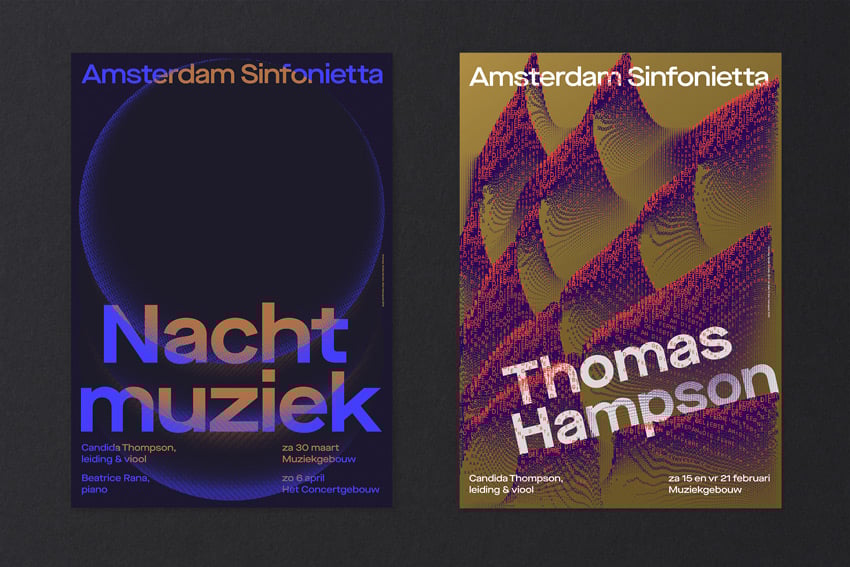
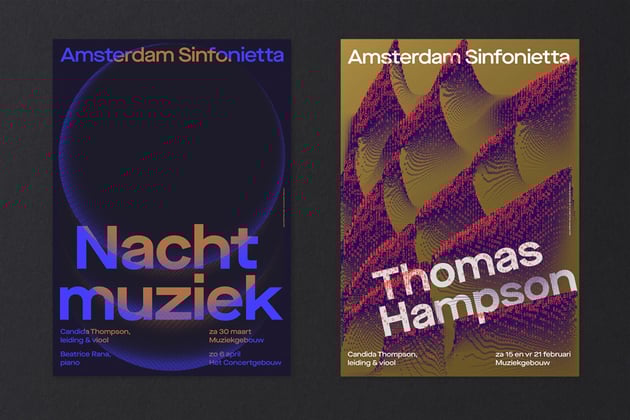

What is retro style, and why should designers use a vintage aesthetic in 2025? By using design elements inspired by the past, designers and brands can tap into the aesthetic and emotional value of ‘vintage’. For example, nostalgia marketing has been proven to boost the sales of consumer products because people feel comforted and anchored when viewing vintage packaging or branding. Like a familiar face or comfort blanket, nostalgic design offers us a much-needed feeling of consistency in our lives, particularly when the news would suggest the world can offer us anything but.
For creatives, vintage design also offers an almost inexhaustible source of inspiration. Make history your Pinterest board, and explore the endless possibilities of retro design!
Are you ready to start using a vintage aesthetic in your designs? Let’s look at all the components you’ll need to start exploring this vast treasure trove of creative inspo.
What are essential vintage design elements?
Building a retro core aesthetic is a case of selecting the time period you’d like to explore further and delving into the aesthetic details that contribute to the overall vintage style of that era. While every decade has numerous design styles and aesthetic movements you could explore, there are some general elements that you can make a note of, which will make a good foundation for any vintage design.
Vintage colors
Retro colors should be your first touchstone when building a vintage design, whether it’s a social media post, website layout, or retro poster design. The right colors literally set the tone (excuse the pun), helping the viewer to situate your design within a certain time period.
Certain color combinations just sit right with a particular moment in time. Think the earthy mustard colors of the early 1970s, or the ‘greige’ neutrals of the 1990s. Nail your palette, nail your era.


Vintage typography
Perhaps no design element speaks louder about a vintage era than typography. See type as the personality behind your retro design, with the perfect vintage font able to pull together separate design elements into a cohesive vintage design. For example, the distinctive diner script fonts of the 1950s immediately give a sense of the hyper-commercial, friendly mood of this decade, while clean rounded sans serifs transport the viewer instantly to the minimalist 1990s.
Vintage photography and illustration
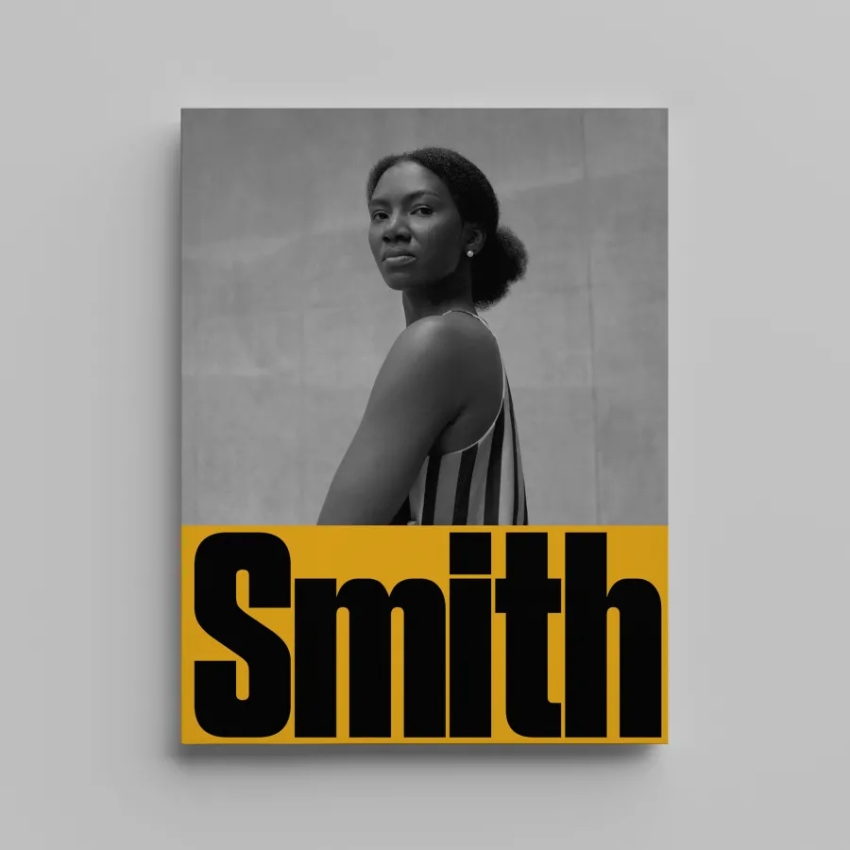
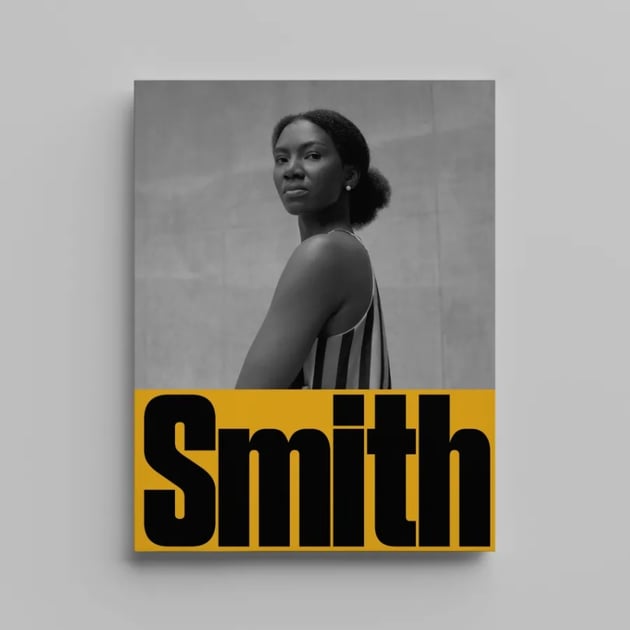
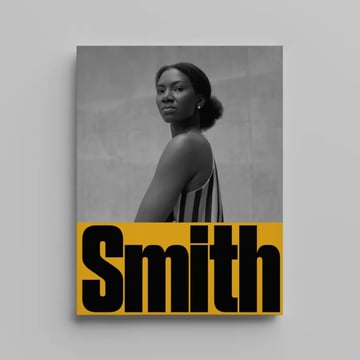
You might think of ‘vintage photography’ as being simply black and white imagery or polaroids, but there are so many nuances to the style of photography that can really help you achieve a particular vintage aesthetic. The stark light used by 1970s photographer Helmut Newton helps his black and white photography to look entirely different from the more tonal monochrome photography of the 1940s, for example.
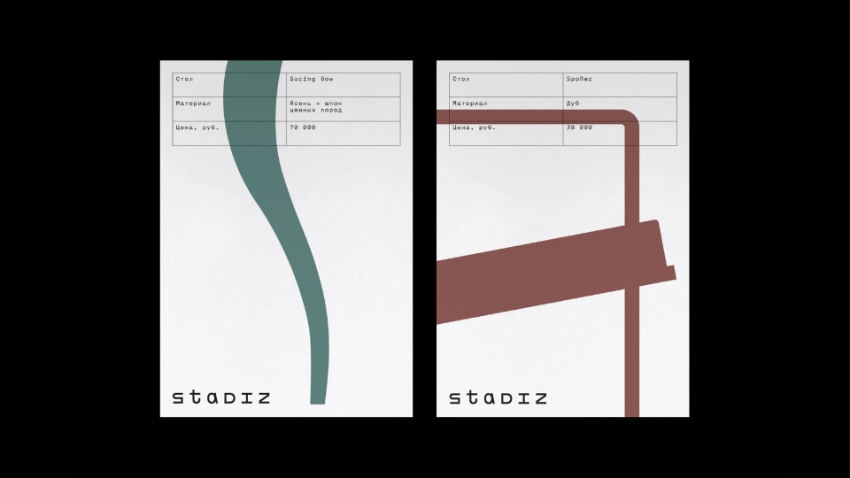
And with retro illustration, the right graphic can bring your design an instant vintage aesthetic, even in the absence of other elements. Sixties posters often used Bauhaus-inspired geometric graphics in place of photography for simple impact, while the early 1990s are recognisable for their fondness for Memphis patterns and black outlines.
Vintage textures
Consider textures the finishing touch for your retro core aesthetic, the final layer in the perfect vintage design. Texture not only suggests ageing, giving more authenticity to your retro design, but also makes a nod to the type of design equipment and materials that would have been used at the time.
Halftone printing, which was used in the 1950s and 1960s to produce posters and packaging, creates a dotted texture across a design, a style which was used in Pop Art as a nod to commercial printing techniques. Fast forward and the 1990s grunge era ushered in a trend for imperfection, with designs often purposefully given a ‘dirty’ effect with faded and noisy textures.
The right vintage texture brings that extra level of detail into a vintage design, and it won’t go unnoticed by your viewer.


Now that we’ve looked at the core design elements that you need to bring together to create a vintage aesthetic, it’s time to wind back the clock and look at some of the decades that have particularly distinctive styles. You’ll find suggestions for vintage color palettes, retro photography, and vintage fonts to bring your vintage graphic design to life.
The 1950s aesthetic
The 1950s was a decade for looking forward, not back. After the social trauma of the Second World War, design shifted towards an ultra-optimistic outlook, with bright pastel colors, technicolor advertisements and cheerful script type splashed across signage and magazine covers.
Color
Mid-century color palettes were characterised by optimistic, cheerful colors, in contrast to the military khakis and dark Film Noir color palette of the 1940s. A 1950s vintage color palette should include a range of breezy pastel colors, like sherbert lemon, baby pink, and aqua green.
Photo Collage Mockup Template

Typography
Whether handwritten scripts or chunky sans serifs, 1950s fonts always retain a quality of lightness and a friendly, cheerful aesthetic. Modernism was influential in the 1950s, but it didn’t have as much impact in commercial design until the later part of the decade, with script fonts remaining a popular display typeface style over the course of the Fifties. Sans serif fonts were also popular, and tended to be tall and condensed.
MidCentury Typeface

Imagery
Vintage photography and 50s illustrations play key roles in nailing a mid-century aesthetic. Polaroid photography with pink-toned, dusky filters can lend imagery a romantic, nostalgic style, and black and white photography was also still the norm for most at-home photography in this period. Illustrations were ultra-colorful and playful, leaning into the popularity of cartoons, pin-up girls, and comic books.
Vintage Photo Collage Mockup Template

Texture
To recreate an authentic 50s retro design, a halftone texture overlay can be applied to poster layouts and social media designs to replicate the look of 1950s commercial printing. You can also give photos and illustrations an aged, retro style with a grain effect or paper texture.
Halftone Factory Photoshop Textures

The 1960s aesthetic
Vintage styles popular in the 1960s included psychedelia, inspired by the hippy movement and psychedelic drugs like LSD, as well as the more sober monochrome design style inspired by modernism and New York’s Beatnik subculture. The retro styles of this decade were all underpinned by freedom and expression, as people broke away from the conformist Americana aesthetic of the 50s.
Color
The 60s retro color palette is diverse and varied, ranging from the acid neon greens and yellows favored by psychedelic poster design to the black and white checkerboard palettes seen in the glossy pages of Vogue. Bold, expressive color combinations are key to a 1960s color palette, with purple, lime green and sunshine yellow being particularly popular in commercial graphic design at this time.
Moodboard Mockup

Typography
Some of the most creative vintage typography examples to emerge from the 1960s were the artsy and off-beat type creations of designer Saul Bass and lettering artist Harold Adler, who collaborated on the distinctive credits for many of Alfred Hitchcock’s films. Channel a neo-noir mood in your own vintage graphic design work with jaunty, rough-cut display fonts, set in crisp black.
Wavespired Display Retro Font

Imagery
While 60s fashion was a riot of color, most vintage photography from the 1960s was still black and white. You can achieve a 1960s retro aesthetic in your imagery with polaroid frames, moody black and white imagery (very Beatnik arthouse), and strong contrast in portraits. 60s illustrations were heavily inspired by Pop Art, the artistic style promoted by Andy Warhol and his eclectic studio The Factory.
Polaroid Photo Film Mockup Template

Texture
Abstract and offbeat design styles characterise 1960s posters, book covers, and magazines. To give your designs a nod to the eclectic mood of this decade, overlay a risograph texture or exaggerated halftone texture to give your layouts a Pop Art aesthetic.
Printing Press Illustrator Brushes

The 1970s aesthetic
Ushered in by Woodstock, the decade of free love continues to be an era rich in creative inspiration for contemporary designers. Look to the sequinned disco glamor of Studio 54 and the hippy styling of Women’s Lib marches to get a feel for the vintage aesthetic of this funky and free-spirited era.
Color
In the 1970s, a typical retro color palette would have definitely included brown... and lots of it! Earth colors, like toffee, ochre, and mustard yellow were paired with teal green and sky blue for an all-natural aesthetic. In your own vintage designs inspired by the seventies, experiment with an earthy color combination of muted, tonal colors to pay fitting tribute.
Vintage Polaroid Photo Mockup Template

Typography
Although vintage type styles of the 70s are diverse, ranging from funky disco fonts to cartoonish balloon fonts, they all usually have curves in common. Rounded, geometric, and exaggerated letterforms characterize the type of this decade, and they often feature chunky drop shadows and outlines.
Lyzero Groovy Retro Display Font

Imagery
Photography started to overtake illustration in vintage graphic design during the 1970s, with movie posters, book covers, and magazine editorials dominated by photography in both color and monochrome. A dreamy, ethereal aesthetic in your own imagery can help recreate the long hot summers of the 70s, and try bringing in bleaching or lens glare to add an authentic polaroid-style touch.
Moodboard Mockup

Texture
It felt like everything in the 70s was tinted with orange and brown, and you can bring in this color trend to your own designs by applying a warm, saturated photo filter. Another good 70s style tip is to double your images and shift the top one just slightly, to give an authentic retro blur effect.
Retrograde, Retro and Vintage Photoshop Actions

The 1980s aesthetic
Brash, bling, and neon, the 80s was everything the 70s wasn’t. Seen by some as the decade that taste forgot, the 1980s actually saw some really impactful design styles take off, including the avant-garde Memphis Style, dystopian cyberpunk design, and the uber-glossy Miami Beach aesthetic.
Color
The eighties signalled a huge shift in design aesthetics, and a movement away from the more muted colors favored in the seventies. Neon colors, purples, and pinks were very popular in this decade, and were often set against moody black backgrounds for a neon nighttime aesthetic or teamed with bright yellow or white for a Miami Beach look.
Moodboard Mockup

Type
The 80s was the era of the cinematic blockbuster, with movies like Star Wars, The Goonies, and Indiana Jones bringing high-budget credits and effects to the big screen. Typography in this era was suitably big, bold, and eye-catching, with colorful gradients, metallic text effects, and lightning-bolt edges making text really stand out.
Horsemen Horror Retrowave Font

Imagery
While the 80s is often known for its brash vintage aesthetic, you can still channel an 80s spirit in your retro designs with more subtle photo styles. Dusky purple filters and twilight-set photos can help bring a muted Dirty Dancing aesthetic into your designs.
Polaroid Photo Mockup Template

Texture
VHS made watching movies in the comfort of your own home a reality in the 1980s, but it was a far cry from the high-definition screens we’re used to now. Give your retro designs a 1980s feel with distortion effects and glitch filters, or add a plastic texture overlay to make your designs as glossy and OTT as possible.
Glitches Photo Effect

The 1990s aesthetic
1990s design is arguably the most revisited vintage design style in today’s graphic design output, in part because this era’s clean and minimal aesthetic chimes so well with today’s penchant for quiet luxury and modernism. Many of the corporate logos we recognise today, from Calvin Klein to Microsoft, have remained largely unchanged since this decade, in which pared-back, minimalist design became the face of big business.
Color
Color, or should we say lack of, was a defining feature of 1990s vintage design, with beige, white, grey and, you guessed it, greige being the favored colors of the era. In your own designs, bring the vibrancy of your colors right down with tints, and champion a barely-there, minimalist color palette.
Moodboard #2 Scene Creator

Typography
While the start of the 1990s saw plenty of funky font action (think the colorful script fonts of MTV and Saved by the Bell), this quickly streamlined into a more minimalist take on typography. Fashion designers like Jil Sander and Calvin Klein ushered in a preference for minimalist sans serif typefaces, which soon became ubiquitous across advertising billboards and magazine spreads.
Camaufalge Modern Minimalism Font

Imagery
The decade that color forgot? Although color photography was accessible to all by the 1990s, the design trend edges towards use of black and white photography, which matched the stark and natural aesthetics favored in fashion, interior design, and architecture. In your vintage designs, opt for grey-heavy photography with low contrast and moody shadows to capture the look of the 90s.
Moodboard #53 Scene Creator

Texture
The emergence of the grunge music movement, which came out of Seattle in the early 1990s, made looking scruffy and unfiltered seriously cool, and you can really seal your own minimalist designs with an authentic 90s touch by using a grunge texture, overlaid on top of photography or graphics.
Film Frame Photo Mockup

Vintage design now!
A vintage aesthetic has enduring appeal for both designers and consumers, with the draw of nostalgia marketing and the escapist appeal of stepping into the style of another time. In contemporary graphic design, vintage design and a retro aesthetic can bring unexpected freshness to a design, especially when combined with more modern elements.
So get experimental with the past! Mining the archives of vintage inspiration can help to give your designs a new perspective, and you might just discover your new favorite design style in the process.
Want to delve further into the past? Discover more retro design trends, or explore thousands of vintage design elements to make your designs perfectly nostalgic.
 By
By



